
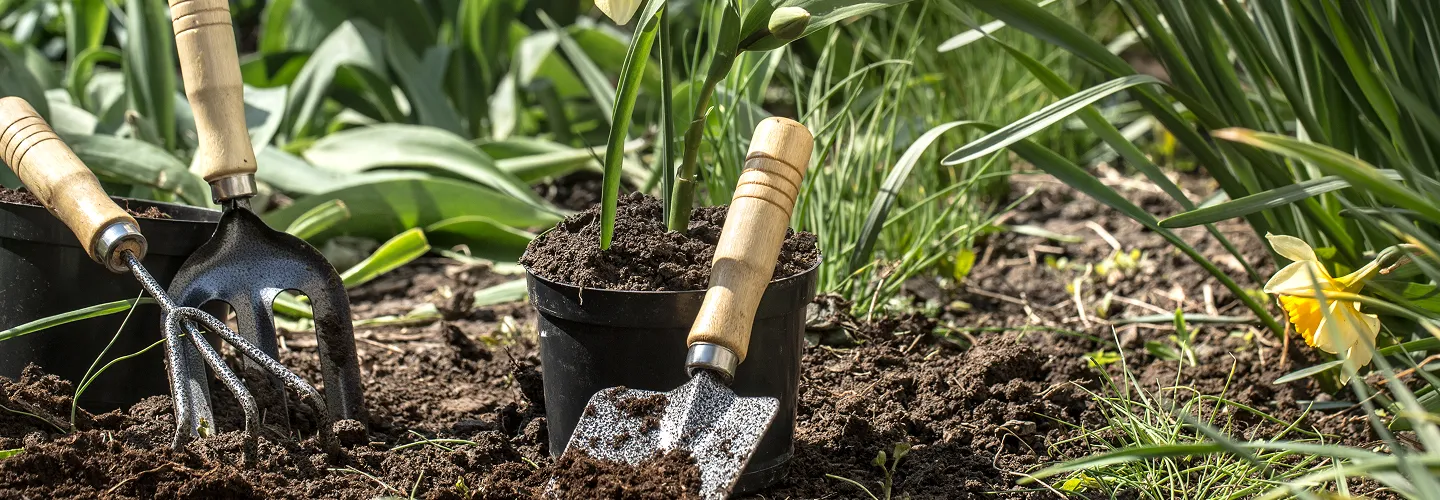
Woodstock Green Waste Disposal Services
Choose our Green Waste Disposal service for reliable, environmentally responsible removal that keeps your property clean and supports a healthier community—experience hassle-free, sustainable waste management you can trust.
Get a Free QuoteOur Woodstock Landscaping & Yard Care Services
When to Schedule Green Waste Disposal in Woodstock, Georgia – Seasonal Guide
In Woodstock, Georgia, the best times to schedule green waste disposal are closely tied to our unique climate and landscape. With warm, humid summers and mild winters, most homeowners find late winter through early spring—just after the last frost date—to be ideal for clearing out yard debris, pruning shrubs, and preparing for new growth. Neighborhoods like Towne Lake and Eagle Watch, with their mature tree canopies and shaded lots, often see a surge in green waste after spring storms or autumn leaf fall.
Local environmental factors such as soil type, shade coverage, and the risk of summer droughts also play a role in determining the optimal disposal schedule. For example, properties near Olde Rope Mill Park may experience heavier leaf accumulation due to dense tree coverage, while areas closer to downtown Woodstock might need more frequent pickups due to municipal guidelines. For more information on local regulations and best practices, visit the official municipal resource.
Local Factors to Consider for Green Waste Disposal in Woodstock
- Tree density and species in your yard
- Proximity to creeks, parks, or wooded areas
- Typical precipitation patterns and storm frequency
- Soil drainage and type (clay-heavy soils may require more frequent clearing)
- Municipal restrictions on disposal timing and methods
- Shade coverage affecting debris accumulation
- Seasonal humidity and risk of mold or decay
Benefits of Green Waste Disposal in Woodstock

Eco-Friendly Landscaping Solutions
Efficient Green Waste Removal
Promotes Healthy Plant Growth
Reduces Landfill Waste
Cost-Effective Yard Maintenance
Supports Local Sustainability Efforts
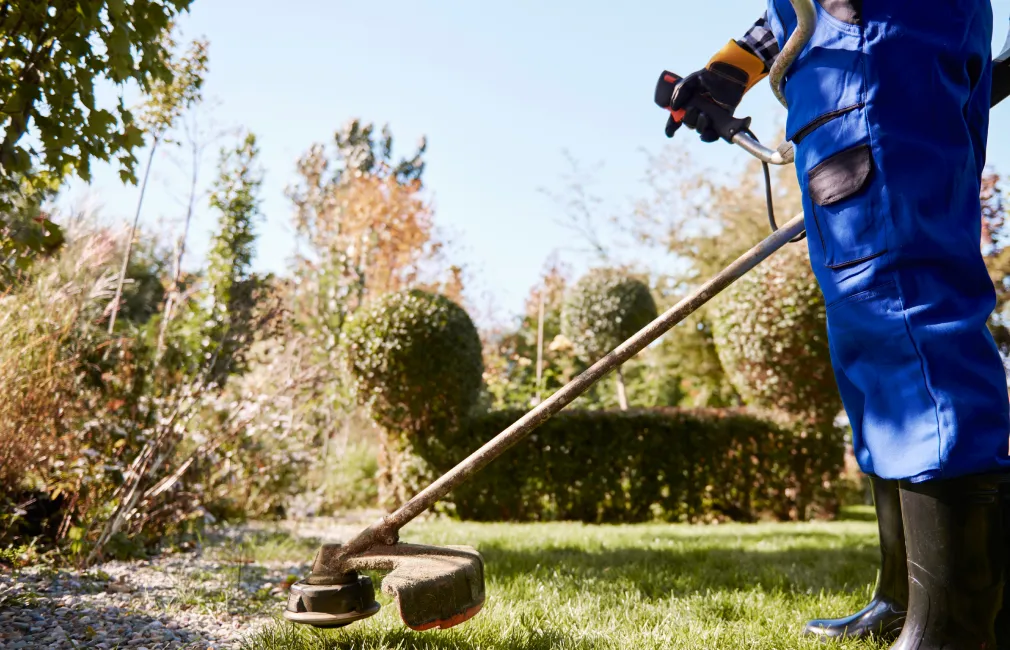
Woodstock Green Waste Disposal Types

Grass Clippings
-
Tree Branches
-
Leaves and Foliage
-
Shrub Trimmings
-
Garden Weeds
-
Wood Chips
-
Plant Debris
Our Green Waste Disposal Process
Collection of Green Waste
Sorting and Separation
Transport to Disposal Facility
Eco-Friendly Processing
Why Choose Woodstock Landscape Services

-
Woodstock Homeowners Trust Us
-
Expert Lawn Maintenance
-
Reliable Seasonal Cleanup
-
Competitive Pricing
-
Professional Team
-
Satisfaction Guarantee
-
Personalized Service
Woodstock Public Works Yard Waste Collection Procedures and Placement Standards
Residents and property managers in Woodstock, Georgia, must follow specific procedures when placing green waste at the curb for municipal collection. The Woodstock Public Works Department oversees residential waste collection services, including yard debris generated from routine lawn maintenance, seasonal cleanups, and storm events. Green waste accepted through curbside programs typically includes grass clippings, leaves, small branches, and garden trimmings. To ensure timely pickup, residents should observe the following placement guidelines:
- Place yard waste at the curb by 7:00 a.m. on your scheduled collection day
- Bundle brush and branches no longer than 4 feet and no heavier than 50 pounds per bundle
- Bag loose clippings and leaves in biodegradable or kraft paper bags where possible
- Do not mix green waste with household trash or recyclables
- Keep debris clear of storm drains, drainage ditches, and roadway travel lanes
Verify current collection schedules and any seasonal service changes directly with the Public Works Department, as pickup frequency may vary.
Woodstock Public Works Department
12453 Highway 92, Woodstock, GA 30188
Phone: (770) 592-6000
Official Website: Woodstock Public Works Department
Protecting Woodstock's Stormwater Infrastructure During Green Waste Disposal
Woodstock sits within the Upper Etowah River watershed, a drainage basin that feeds into Lake Allatoona and is subject to ongoing water quality monitoring under Georgia EPD Watershed Protection Branch programs. Improper disposal of green waste — including dumping clippings, leaves, or brush near drainage channels, detention ponds, or roadside ditches — can introduce excess organic matter and nutrients into local stormwater systems, contributing to algae growth and reduced water quality downstream. The Woodstock Stormwater & Environmental Management division administers local stormwater compliance and environmental protection programs. Property owners and contractors should observe the following practices:
- Never blow or rake grass clippings into street gutters, storm inlets, or drainage swales
- Keep green waste piles at least 10 feet from any stormwater inlet, ditch, or detention feature
- Avoid stockpiling debris near Noonday Creek, Little River, or other local tributaries
- Report illegal dumping of yard waste near waterways to the Stormwater & Environmental Management division
These precautions align with Clean Water Act requirements and local municipal separate storm sewer system (MS4) permit obligations administered through EPA Region 4.
Woodstock Stormwater & Environmental Management
12453 Highway 92, Woodstock, GA 30188
Phone: (770) 592-6000
Official Website: Woodstock Stormwater & Environmental Management
Seasonal Green Waste Volume and Timing Considerations in Woodstock
Woodstock falls within USDA Plant Hardiness Zone 7b, characterized by warm, humid summers and mild winters typical of the Metro Atlanta Piedmont region. This climate produces two distinct periods of elevated green waste volume that residents and property managers should plan for in advance:
- Spring (March–May): Rapid warm-season turf growth, tree leaf-out, and storm debris from spring thunderstorms generate high volumes of clippings, branches, and organic material
- Fall (October–December): Deciduous leaf drop from oak, maple, sweetgum, and tulip poplar trees creates substantial leaf waste requiring timely collection or composting
According to UGA Cooperative Extension, warm-season grasses such as bermudagrass and zoysiagrass — common in Cherokee County lawns — produce the heaviest clipping volumes between May and August when mowing intervals may shorten to 5–7 days. Scheduling green waste disposal in advance of peak periods reduces curbside accumulation and minimizes the risk of debris migrating into drainage infrastructure. Residents should also account for post-storm debris surges, which may require coordination with the Public Works Department for bulk pickup scheduling outside of standard collection windows. Confirm current seasonal service calendars with the city before major cleanup projects.
Cherokee County Red Clay Soils and Composting Green Waste in Woodstock
The predominant soils in Woodstock and the surrounding Cherokee County area are Ultisols — specifically Cecil and Pacolet series red clay loams — as documented through the USDA Web Soil Survey. These soils are naturally acidic, with pH values commonly ranging from 5.0 to 6.0, and exhibit moderate to poor drainage in compacted or low-lying areas. Rather than disposing of all green waste through curbside collection, property owners with adequate space may benefit from on-site composting of grass clippings, leaves, and garden trimmings. Composted organic material can be returned to red clay beds to improve soil structure, drainage, and nutrient availability over time. Key composting considerations for Woodstock properties include:
- Maintain a carbon-to-nitrogen ratio of approximately 25:1 to 30:1 by layering brown leaves with green clippings
- Avoid composting diseased plant material, invasive species seed heads, or treated wood debris
- Site compost bins at least 10 feet from property lines and away from drainage swales
- Turn compost every 2–4 weeks during warm months to accelerate decomposition in Woodstock's humid climate
UGA Cooperative Extension provides composting guidance specific to Georgia's Piedmont soils and climate conditions.
Invasive Plant Debris Disposal and Woodstock's Green Waste Compliance Obligations
Several invasive plant species documented in Cherokee County require special handling during green waste disposal to prevent further spread through the local landscape. Species such as kudzu (Pueraria montana), English ivy (Hedera helix), Chinese privet (Ligustrum sinense), and Japanese honeysuckle (Lonicera japonica) are identified by UGA Extension - Invasive Species as persistent threats to Georgia's native ecosystems. Disposing of these materials improperly — including dumping along wooded edges, creek corridors, or undeveloped lots — can establish new infestations in Woodstock's greenways and natural areas. Recommended disposal practices for invasive plant debris include:
- Bag invasive plant material in sealed plastic bags before placing at the curb for collection
- Do not compost invasive species with viable root systems or seed-bearing material
- Avoid stockpiling cut invasive vines or shrubs near wooded buffers, parks, or stream corridors
- Confirm with the Public Works Department whether invasive material is accepted in standard yard waste collection or requires separate disposal
The Woodstock Community Development department may also be consulted regarding nuisance vegetation ordinances applicable to overgrown or invasive plant coverage on private property.
What Neighborhoods Do We Serve Throughout Woodstock, GA?
- Downtown Woodstock / Historic District: Older residential lots with established tree canopy, including mature oaks and sweetgums, generate significant leaf and branch debris seasonally; narrow streets and limited curb space require careful debris placement to avoid blocking travel lanes.
- Woodstock Knoll: A well-established subdivision with moderate lot sizes and red clay soils prone to surface runoff; green waste placement near drainage swales requires particular attention to avoid inlet blockage.
- Wyngate: A larger planned community with HOA-maintained common areas and wooded buffers along rear lot lines; residents should coordinate green waste disposal timing with HOA maintenance schedules.
- Ridgewalk: A mixed residential and commercial corridor area with newer construction on compacted fill soils; organic debris management is important for maintaining drainage function in detention areas.
- Eagle Watch: A golf course community with mature landscaping, significant tree canopy, and proximity to natural drainage corridors; leaf volumes in fall are substantial and may require multiple collection cycles.
- Towne Lake: A large master-planned community adjacent to Towne Lake reservoir; green waste disposal near shoreline areas and detention features must comply with stormwater buffer requirements administered by Woodstock Stormwater & Environmental Management.
- Bradshaw Farm: A residential subdivision with wooded lot edges and rolling terrain; slope-related erosion concerns make timely removal of loose debris from slopes and drainage channels a priority during heavy rain seasons.